

What Is a Plastic Granulator? A Guide to Recycling Plastic in Injection Moulding and Extrusion
Plastic recycling plays an increasingly important role in modern manufacturing. In industries such as injection moulding and extrusion, a significant amount of scrap material can be generated during production. Sprues, runners, start up waste, and rejected parts all contribute to material loss if they are not recovered.
Plastic granulators allow manufacturers to recycle this scrap material by converting it into reusable plastic granules known as regrind. By recycling production waste directly in the factory, manufacturers can reduce material costs, minimise waste, and improve overall production efficiency.
What Is a Plastic Granulator?
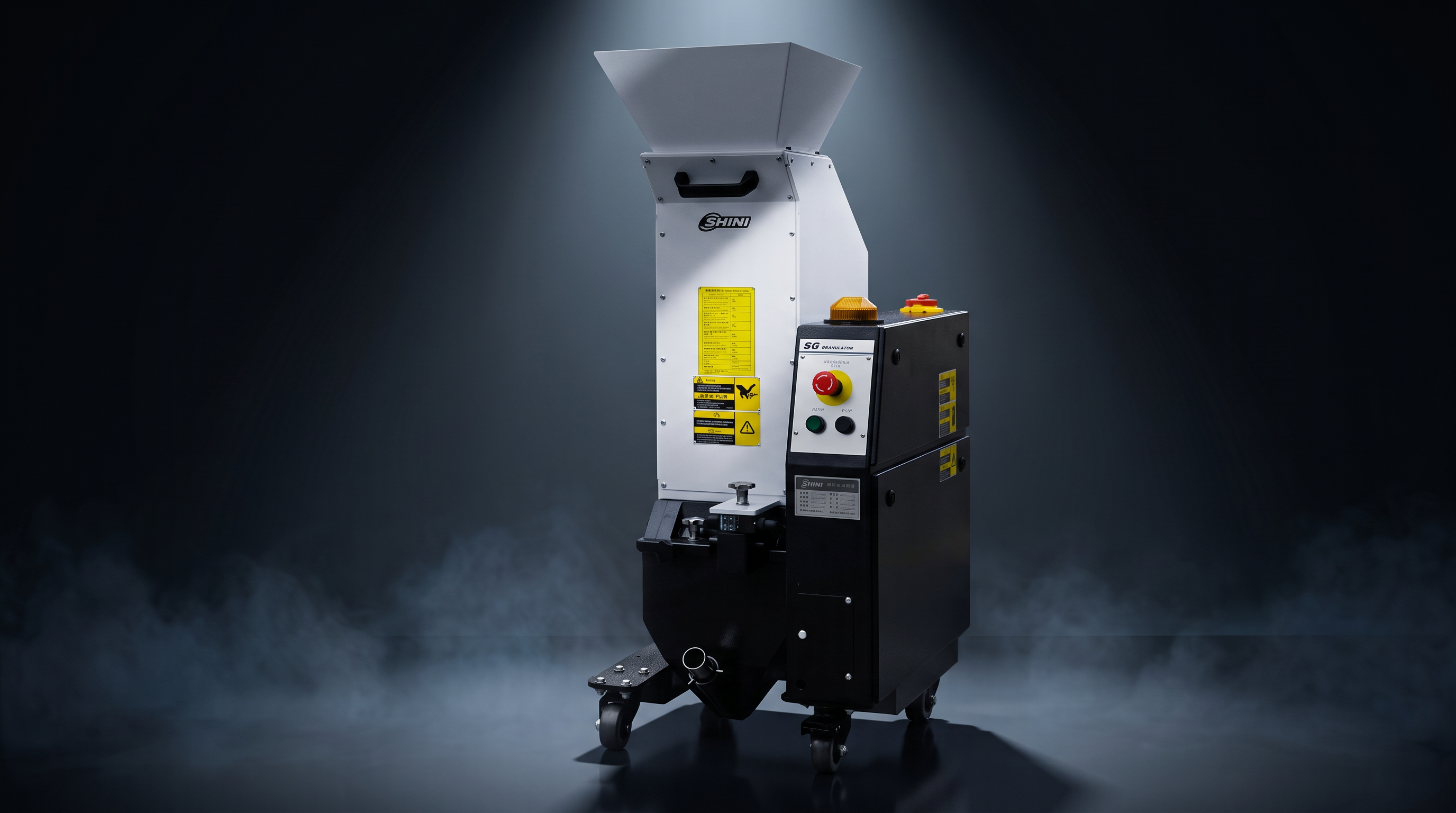
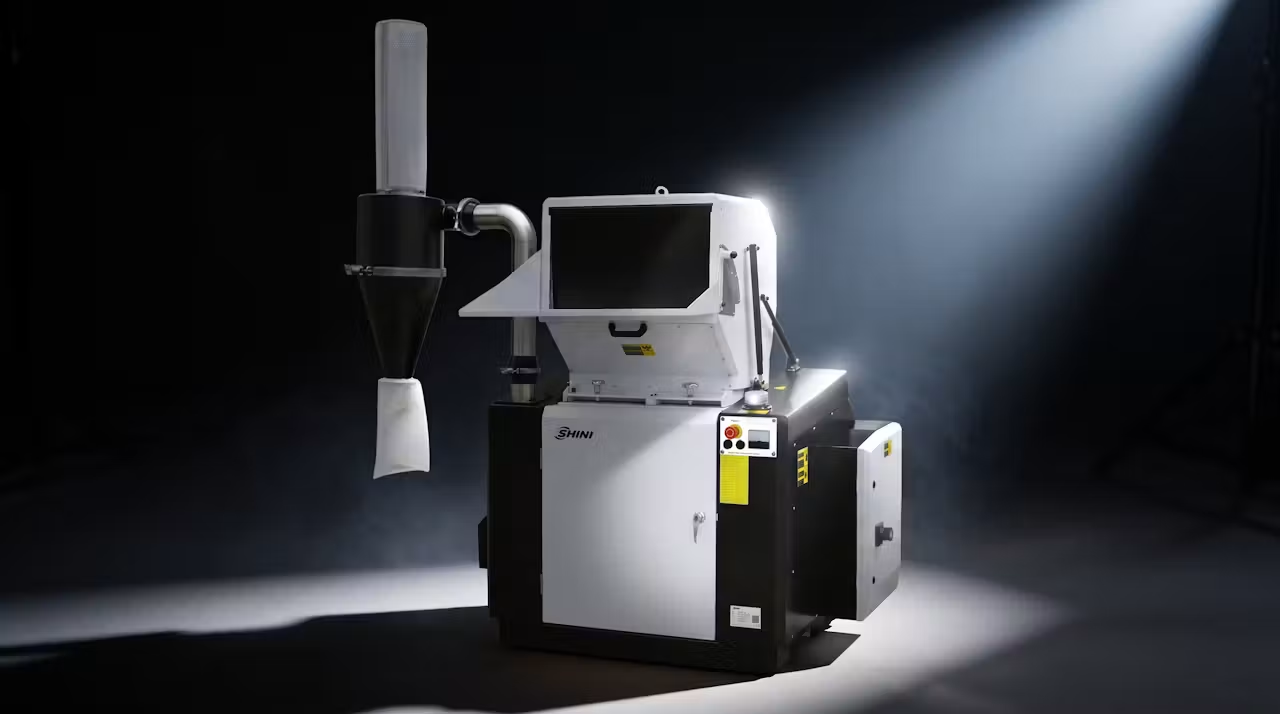
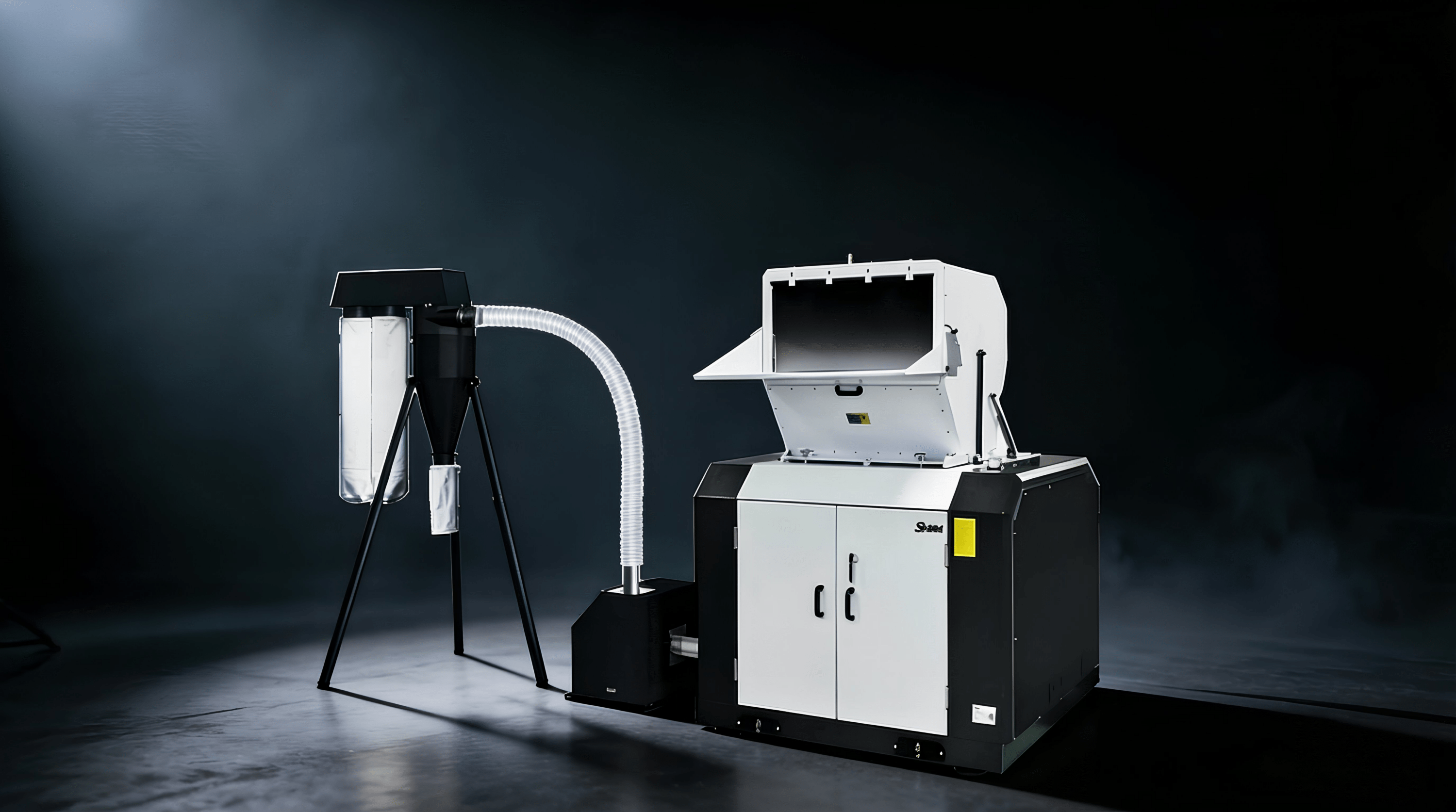
A plastic granulator is a machine used to cut plastic scrap into small uniform pieces so it can be reused in the manufacturing process.
Instead of disposing of rejected parts or sprues, these plastic components are fed into a granulator where rotating knives cut them into smaller granules. The resulting material can then be reintroduced into the production process, often blended with virgin material.
Granulators are widely used in:
- Injection moulding
- Plastic extrusion
- Blow moulding
- Plastic recycling operations
They are one of the most effective ways to create a closed loop recycling system within a plastics manufacturing facility.
Why Is Recycling Important in Plastics Processing?
Plastic resin is one of the largest material costs in many moulding and extrusion operations. Without recycling systems in place, a large amount of this material would simply be discarded as waste.
Recycling scrap plastic using a granulator provides several advantages:
- Reduced raw material costs
- Lower production waste
- Improved sustainability
- More efficient use of resources
- Reduced disposal costs
In many factories, scrap parts are recycled immediately after production and fed back into the process as regrind material.
What Types of Plastic Scrap Can Be Recycled?
Granulators are designed to process a wide range of plastic waste generated during manufacturing.
Common recyclable materials include:
- Sprues and runners from injection moulding
- Rejected or defective parts
- Start up material from extrusion lines
- Edge trim from sheet or film production
- Purge material from machine cleaning
By breaking these larger pieces into smaller granules, the material can be easily blended back into the production process.
How Does a Plastic Granulator Work?
Plastic granulators work by mechanically cutting plastic waste into smaller pieces using rotating blades.
The basic process typically follows these steps:
- Plastic scrap is fed into the granulator through a hopper.
- A rotating rotor fitted with cutting knives spins at high speed.
- The material is cut between the rotor knives and stationary knives.
- The plastic is reduced to small granules as it passes through a screen.
- The finished regrind is collected below the machine.
The screen controls the final particle size of the regrind, ensuring the material is suitable for reuse in the production process.
What Are the Main Components of a Plastic Granulator?
Although designs vary depending on the machine size and application, most plastic granulators include several key components.
Feed Hopper
The entry point where scrap plastic is loaded into the machine.
Rotor and Cutting Knives
The rotating assembly that cuts plastic into smaller pieces.
Stationary Knives
Fixed blades that work with the rotor knives to shear the plastic material.
Screen
A perforated plate that determines the size of the granulated material.
Collection Bin or Conveyor
Where the finished regrind is collected for reuse.
Together, these components allow the machine to efficiently reduce plastic waste into reusable material.
What Is Regrind?
Regrind is the plastic material produced after scrap parts are processed through a granulator.
This recycled material is typically blended with virgin plastic before being processed again in the injection moulding or extrusion machine.
In many applications, manufacturers add a controlled percentage of regrind back into production. This helps reduce material costs while maintaining product quality.
The amount of regrind used will depend on the type of plastic, the application, and the quality requirements of the final product.
Where Are Granulators Used in a Factory?
Granulators can be positioned in different locations depending on the production setup.
In many injection moulding facilities, smaller granulators are installed beside the press so that sprues and runners can be recycled immediately after moulding.
In larger factories, central granulators may be used to process scrap from multiple machines and production lines.
Both approaches allow manufacturers to recover valuable material that would otherwise be discarded.
Which Plastics Can Be Recycled With a Granulator?
Most thermoplastic materials used in injection moulding and extrusion can be recycled using granulators.
Common examples include:
- Polypropylene (PP)
- Polyethylene (PE)
- Polystyrene (PS)
- ABS
- Polycarbonate (PC)
- Nylon (PA)
However, the amount of recycled material that can be reused will depend on the specific application and material properties.
Why Granulators Are Essential for Plastic Recycling
As manufacturers continue to focus on reducing waste and improving sustainability, recycling plastic scrap within the production process has become increasingly important.
Plastic granulators make this possible by converting scrap parts into reusable material that can be fed back into the process.
By implementing an effective granulating and recycling system, manufacturers can significantly reduce material waste, improve production efficiency, and lower overall operating costs.
For injection moulding and extrusion operations, granulators remain one of the most valuable pieces of ancillary equipment for creating a more efficient and sustainable manufacturing process.