

Sprue Picker vs Three-Axis Robot: Which Is Right for Your Injection Moulding Machine?
A practical comparison of two common approaches to automated part and sprue removal.
Automated take-out can reduce manual handling, protect moulded parts and make cycle times more consistent. The choice often begins with two options: a compact sprue picker or a programmable three-axis servo robot.
What Is a Sprue Picker?
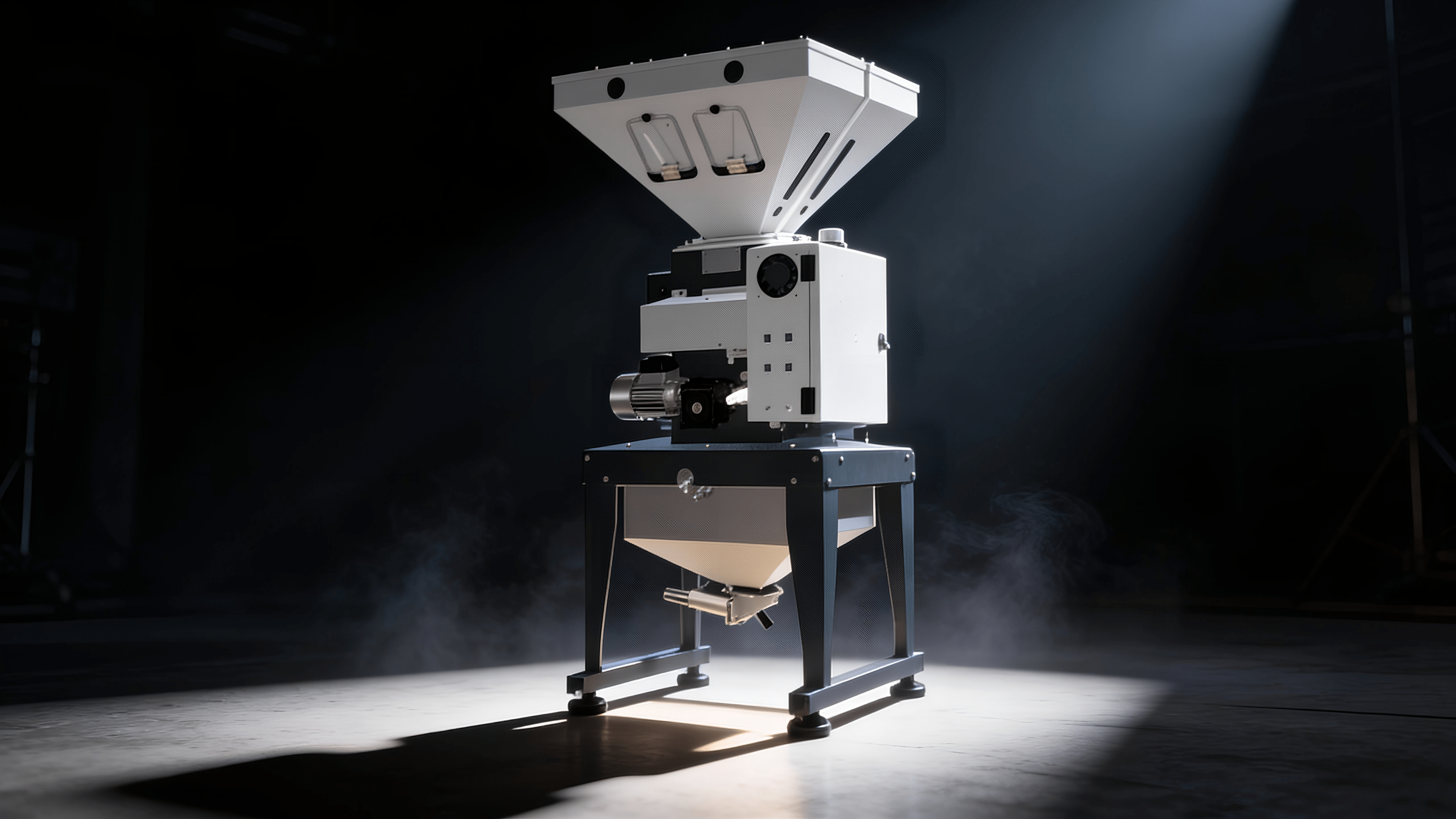
A sprue picker is a relatively simple robot designed mainly to enter the open mould, grip a sprue or lightweight item and move it out of the moulding area. It commonly uses a swing-arm arrangement and can release the sprue into a granulator, collection box or chute.
Sprue pickers are compact, fast and economical for repetitive movements. They are frequently used on smaller and medium-sized injection moulding machines where the part remains in the mould or falls separately.
What Is a Three-Axis Robot?
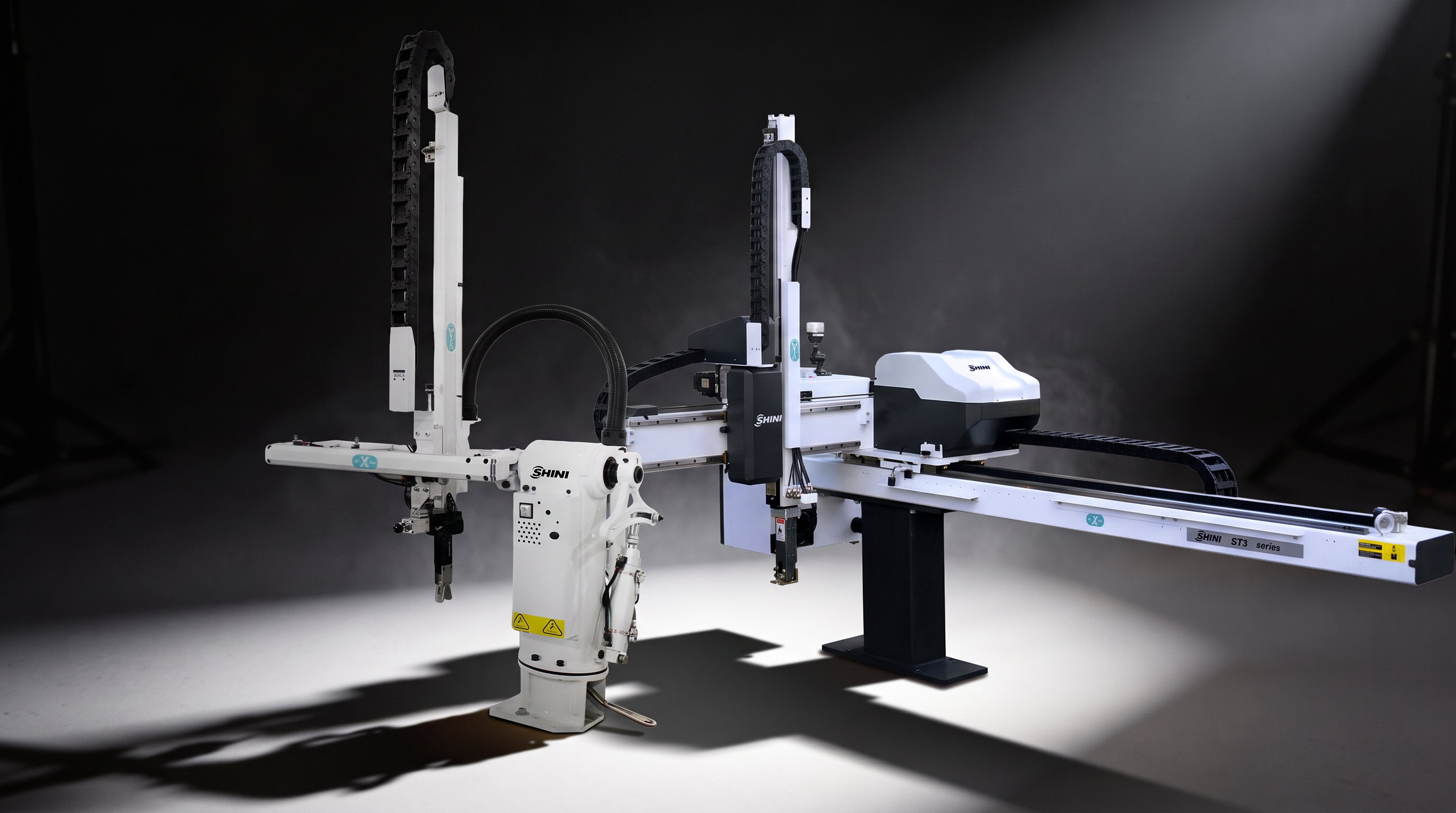
A three-axis robot moves along three programmable linear axes, allowing more control over entry, take-out and placement. Servo-driven models can position components accurately and support more complex end-of-arm tooling.
They can remove finished parts, separate components from sprues, place parts on conveyors, orient items for downstream operations or work as part of a larger automation cell.
The Main Differences
Movement and flexibility
A sprue picker performs a limited, repeatable transfer. A three-axis robot offers programmable positions, speeds and paths, making it more adaptable to different tools and placement requirements.
Payload and tooling
Sprue pickers suit light sprues and simple grippers. Three-axis robots are available in different payloads and can carry vacuum cups, grippers, sensors, cutters and other end-of-arm tooling.
Cost and integration
A sprue picker normally has a lower purchase and integration cost. A three-axis system requires more engineering but can remove manual tasks and support additional processes beyond basic take-out.
Choose a Sprue Picker When:
- The main job is removing a sprue from a consistent moulding cycle.
- The payload is light and the discharge point is simple.
- Space above and around the moulding machine is limited.
- A straightforward, economical automation step is required.
Choose a Three-Axis Robot When:
- The finished component must be removed positively from the mould.
- Accurate placement or orientation is important.
- The tool needs more complex end-of-arm tooling.
- The cell may include conveyors, inserts, inspection, labelling or de-gating.
- Recipes and movement profiles need to change between moulds.
Questions to Ask Before Buying
Confirm injection moulding machine size, tie-bar spacing, mould stroke, required vertical and horizontal reach, payload including tooling, take-out time and available mounting space. Decide where each part and sprue must go, not merely how it leaves the mould.
Safety guarding and machine interfaces must be part of the design. The robot, moulding machine and downstream equipment should exchange the correct permissive and fault signals so that an interruption produces a controlled stop.
Selecting the Right Level of Automation
The best option is the simplest system that completes the whole required task reliably. Shini UK supplies sprue pickers, standard and high-speed three-axis robots, together with bespoke guarding, tooling and automation. A site and application review can establish the required reach, payload, cycle time and integration.