

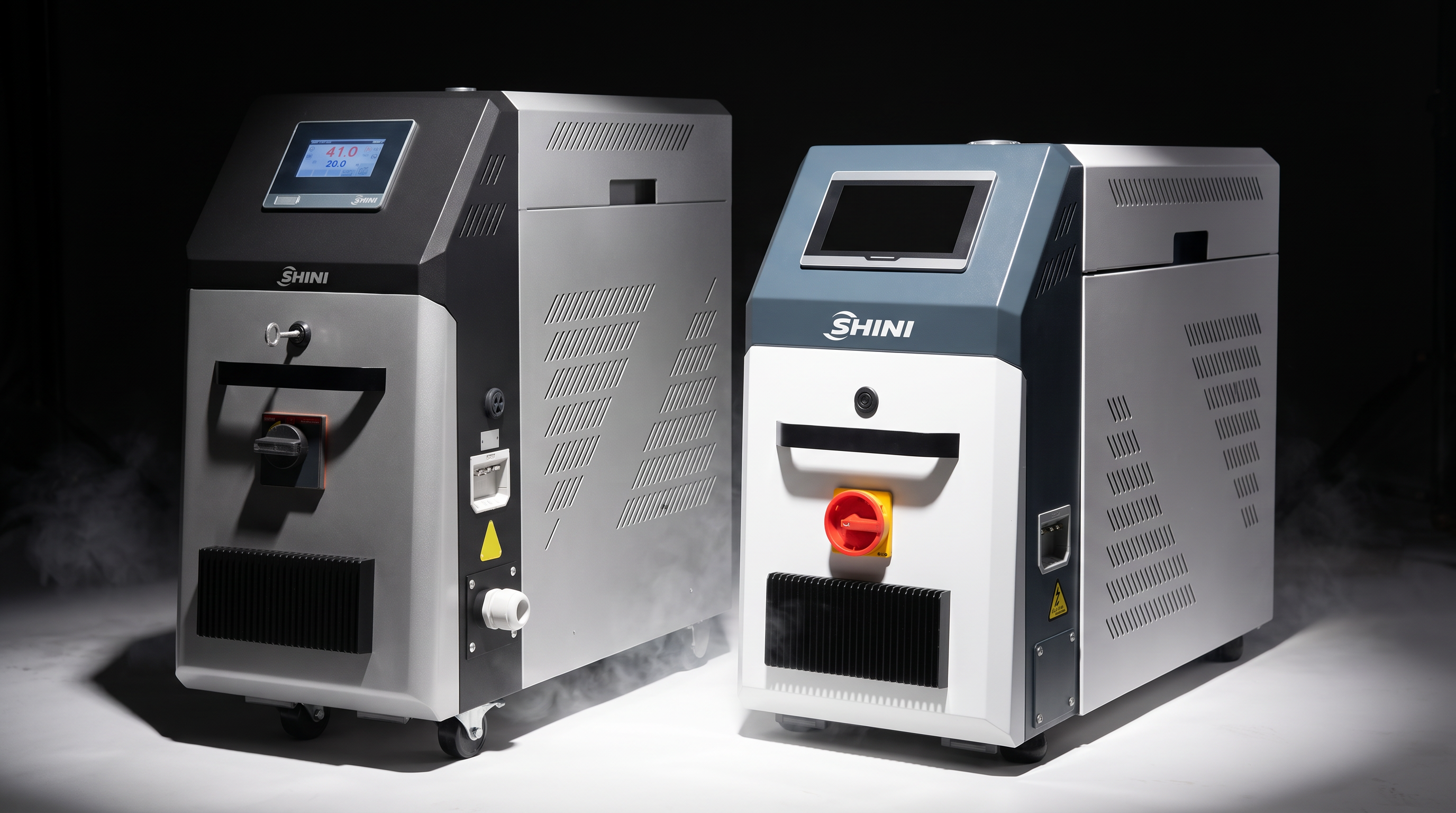
Water vs Oil Mould Temperature Controllers: Which Should You Choose?
Comparing heat-transfer media for stable and repeatable mould temperature control.
Mould temperature controllers commonly circulate either water or heat-transfer oil. Both media can heat a mould and remove process heat, but their operating ranges, efficiency and maintenance needs differ. The process requirement should determine the choice.
How Does a Mould Temperature Controller Work?
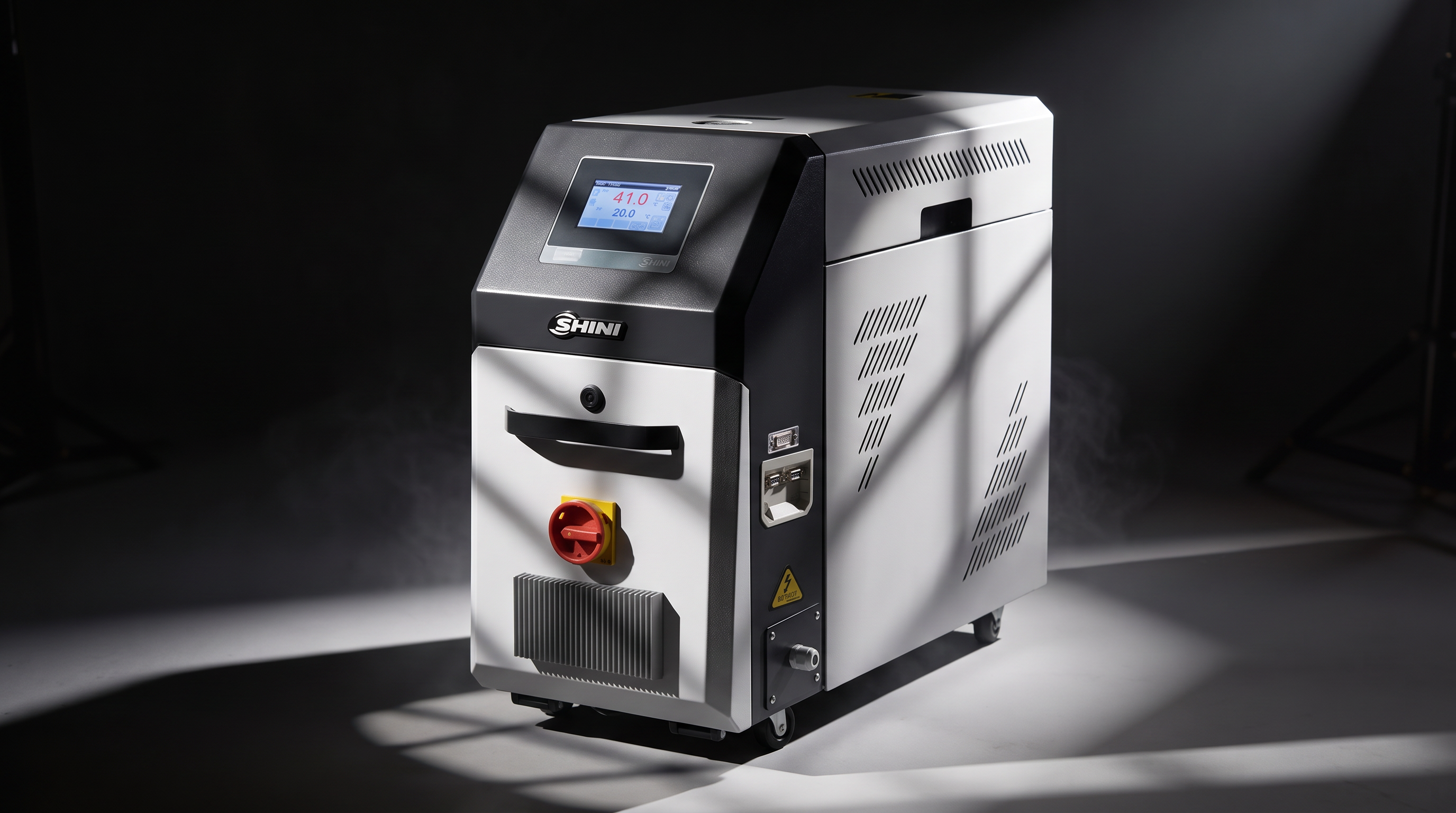
A pump circulates fluid through the controller and the mould. Electric heaters raise the fluid temperature, while a connected cooling circuit removes excess heat. Sensors and controls maintain the selected temperature and can provide alarms for abnormal conditions.
Water Temperature Controllers
Water has excellent heat-transfer properties, so it can move heat efficiently between the mould and the controller. Standard water units are widely used for normal injection moulding duties, while pressurised systems allow water to operate above its atmospheric boiling point.
Advantages of water
- Efficient heat transfer and generally quick response.
- Clean medium with no oil disposal during routine changes.
- Lower viscosity supports good flow through many mould circuits.
- Well suited to a broad range of standard moulding applications.
Points to manage
- Water quality can cause scale or corrosion.
- Leaks can affect nearby equipment and product.
- High-temperature operation requires a suitably designed pressurised system.
- Freezing protection may be needed in exposed or unheated areas.
Oil Temperature Controllers
Heat-transfer oil has a higher boiling point and is commonly selected where the mould must operate above the practical range of a water system. It is used for high-temperature engineering polymers and processes that require elevated tool temperatures.
Advantages of oil
- Suitable for higher operating temperatures.
- Reduced risk of boiling at elevated setpoints.
- Can support specialist moulding and process-heating applications.
Points to manage
- Oil transfers heat less efficiently than water and is more viscous.
- Leaks require careful containment and cleaning.
- Oil condition deteriorates with time and temperature and must be maintained.
- Hoses, seals and fittings must be compatible with the fluid and temperature.
Which Should You Choose?
Use water where it safely covers the required operating range and the mould circuit is suitable. Its heat-transfer performance often makes it the most efficient option. Choose oil when the required temperature exceeds the practical capability of an appropriate water system or when the process specifically calls for oil.
Do not select solely from the setpoint. Review mould mass, heat load, channel design, required flow, pressure drop, warm-up target, cooling-water conditions and hose length. The controller must deliver adequate circulation at the real system resistance.
Installation and Maintenance Matter
Use correctly rated hoses and secure connections, and keep routes short where possible. Clean filters and mould channels, inspect for leaks and monitor supply and return temperatures. A flow problem can cause poor control even when the displayed temperature appears correct.
Matching the Unit to the Application
Shini UK supplies water and oil mould temperature controllers for plastics processing. A proper selection should consider temperature, heating capacity, pump performance, cooling arrangement and the tool circuit. Share the application data with the Shini UK team to identify the suitable unit.