

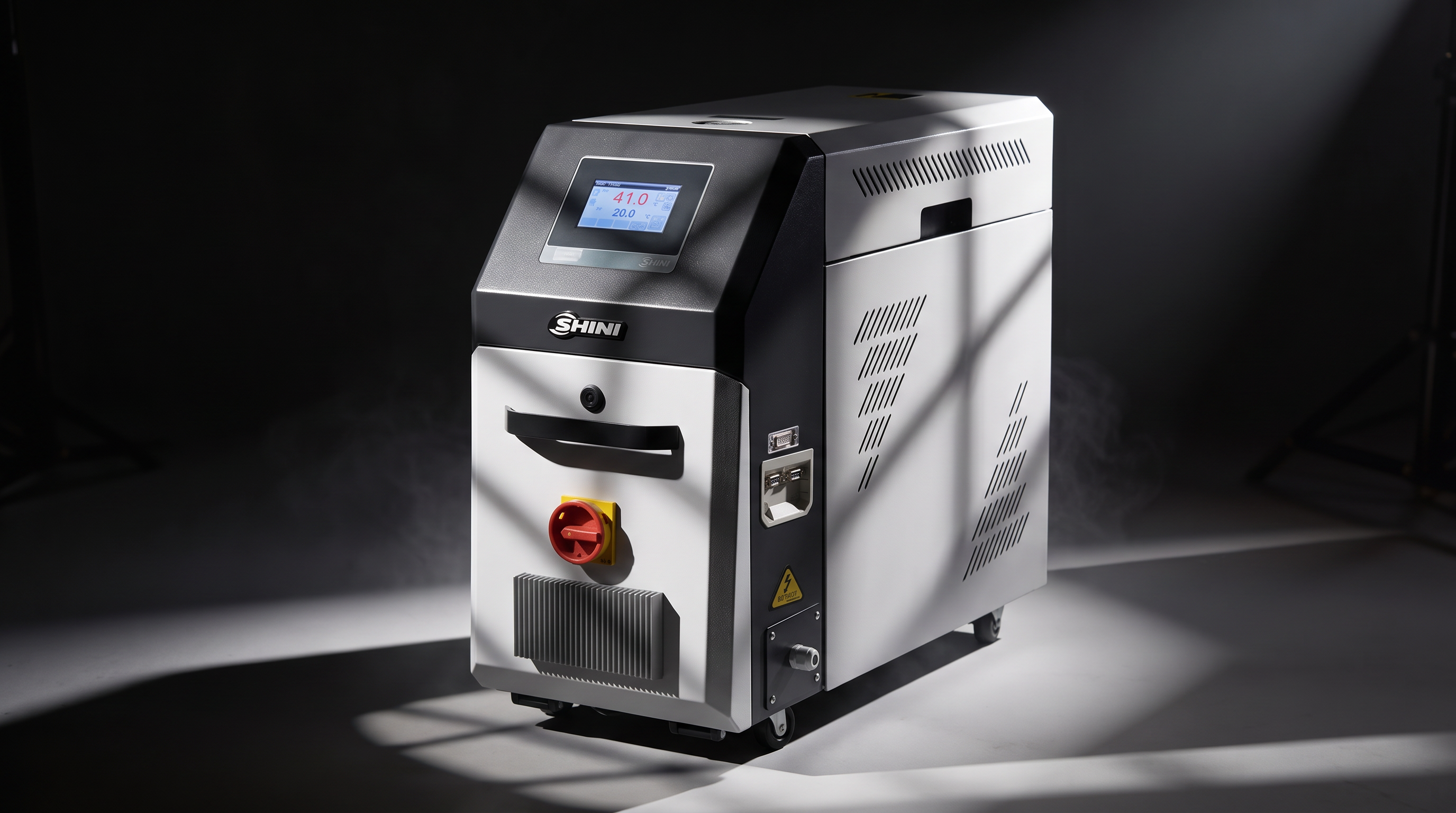
What Is a Mould Temperature Controller and How Does It Improve Injection Moulding?
Why controlled mould temperature matters for cycle time, surface finish and part consistency.
Mould temperature has a direct effect on how molten plastic fills, cools and solidifies. If the temperature changes during production, dimensions, appearance and cycle time can change with it. A mould temperature controller provides a controlled supply of heat-transfer fluid to help keep the tool stable.
What Is a Mould Temperature Controller?
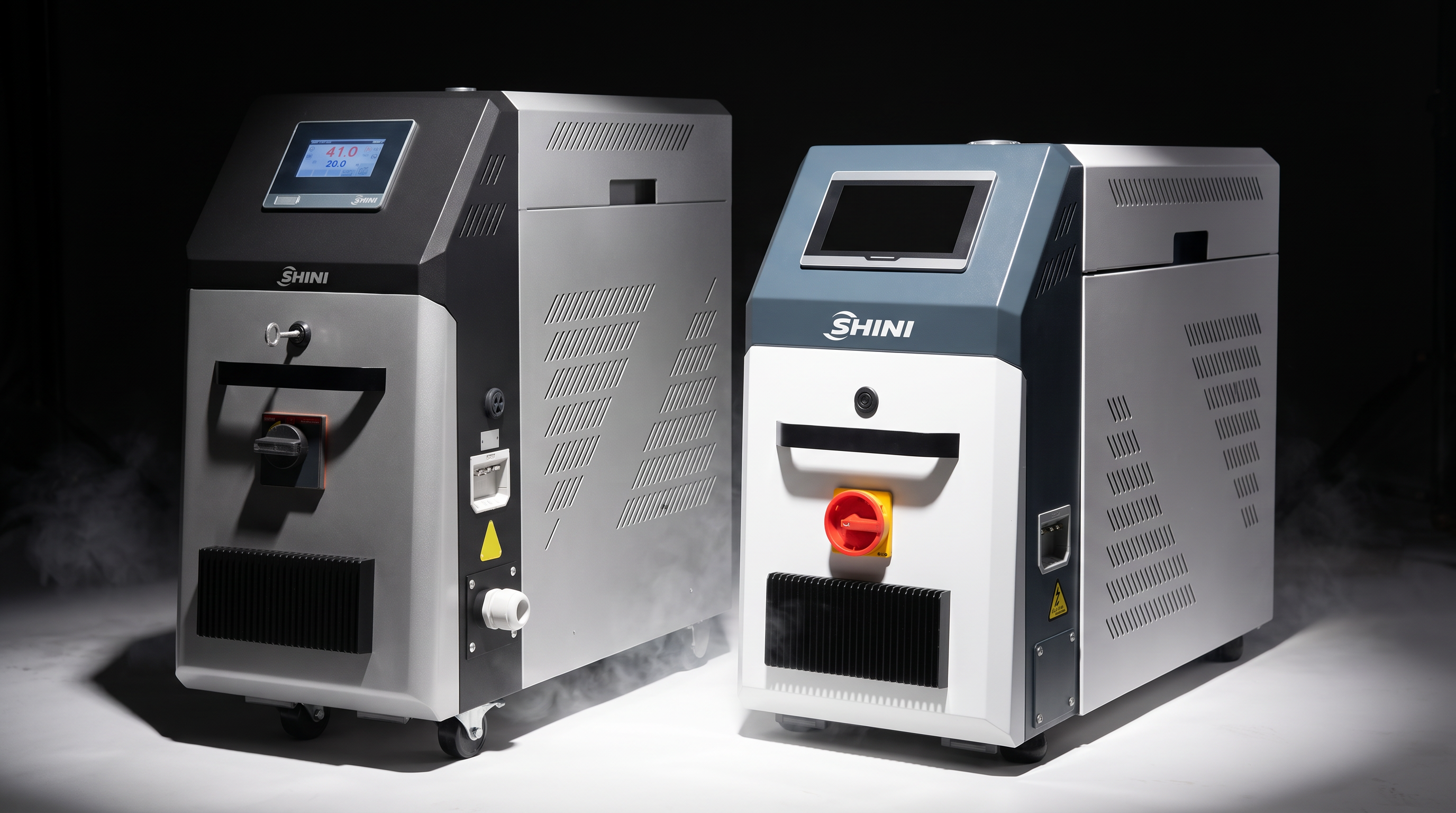
A mould temperature controller, sometimes called a temperature control unit or TCU, circulates heated or cooled water or oil through channels in an injection moulding tool. Its controller measures the fluid temperature and switches heating or cooling as required to maintain the selected setpoint.
Although the unit is often described as a heater, its job is temperature control. During start-up it brings the mould to operating temperature. During production it also removes process heat and limits temperature variation.
How Does It Work?
- A pump circulates water or oil between the unit and the mould.
- Electric heaters raise the fluid temperature during start-up or when more heat is required.
- A temperature sensor continuously monitors the circulating fluid.
- A control system compares the measured temperature with the setpoint.
- Where fitted and connected, a cooling circuit removes excess heat.
The effectiveness of the system depends on adequate flow, unrestricted mould channels and correctly sized hoses. A powerful heater cannot overcome a blocked circuit or poor connection arrangement.
Why Is Mould Temperature Important?
- Part quality: Stable mould conditions support repeatable dimensions, shrinkage and warpage.
- Surface finish: Correct temperature can improve gloss, replication and weld-line appearance.
- Cycle time: Efficient heat transfer helps the part reach ejection temperature consistently.
- Process stability: A controlled mould reduces the need for operators to chase changing settings.
- Tool protection: Flow and temperature alarms can highlight problems before they cause extended downtime.
Water or Oil?
Water offers efficient heat transfer and is commonly used across standard injection moulding temperatures. Pressurised water systems can operate above the normal boiling point of water. Oil units are generally selected for higher-temperature applications, although oil transfers heat less efficiently and requires careful maintenance and handling.
How Do You Select a Temperature Controller?
Key factors include the required operating temperature, mould mass, heat load, number and size of circuits, required flow and pressure, hose length and available cooling-water supply. The unit must also suit the electrical supply and the factory’s connection standards.
For multi-zone tools, using separate circuits or separate control units may provide better balancing than sending one supply through dissimilar mould sections. Flow monitoring can be valuable where small channels or parallel circuits make restrictions difficult to spot.
Maintaining Consistent Performance
Check hoses, seals and filters regularly. Scale, corrosion, contaminated oil and blocked mould waterways reduce heat transfer and can make a correctly sized unit appear inadequate. Recording supply and return temperatures can help identify a developing restriction.
Better Temperature Control, Better Moulding
A mould temperature controller is a relatively small part of the production cell, but it influences every moulding cycle. Shini UK supplies water and oil temperature controllers for a range of plastics-processing duties. The team can help match temperature, flow, heating and cooling capacity to the mould and process.