

What Is a Central Material Feeding System?
How factory-wide conveying can move plastic materials from storage to multiple processing machines.
As a plastics factory grows, manually moving bags and filling individual machine hoppers becomes increasingly time-consuming. A central material feeding system replaces much of this activity with a planned conveying network connecting storage, preparation equipment and processing machines.
What Is a Central Material Feeding System?
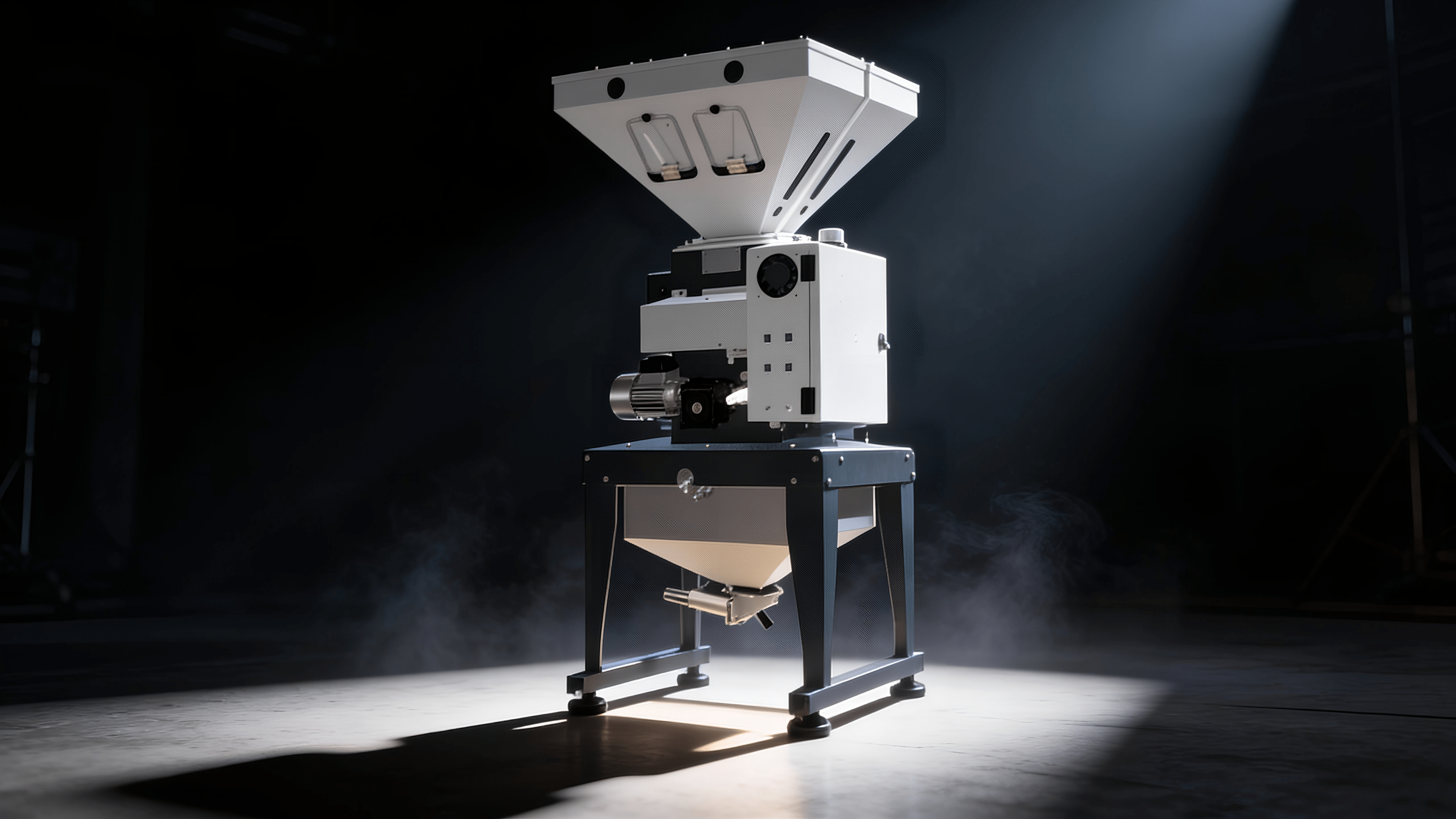
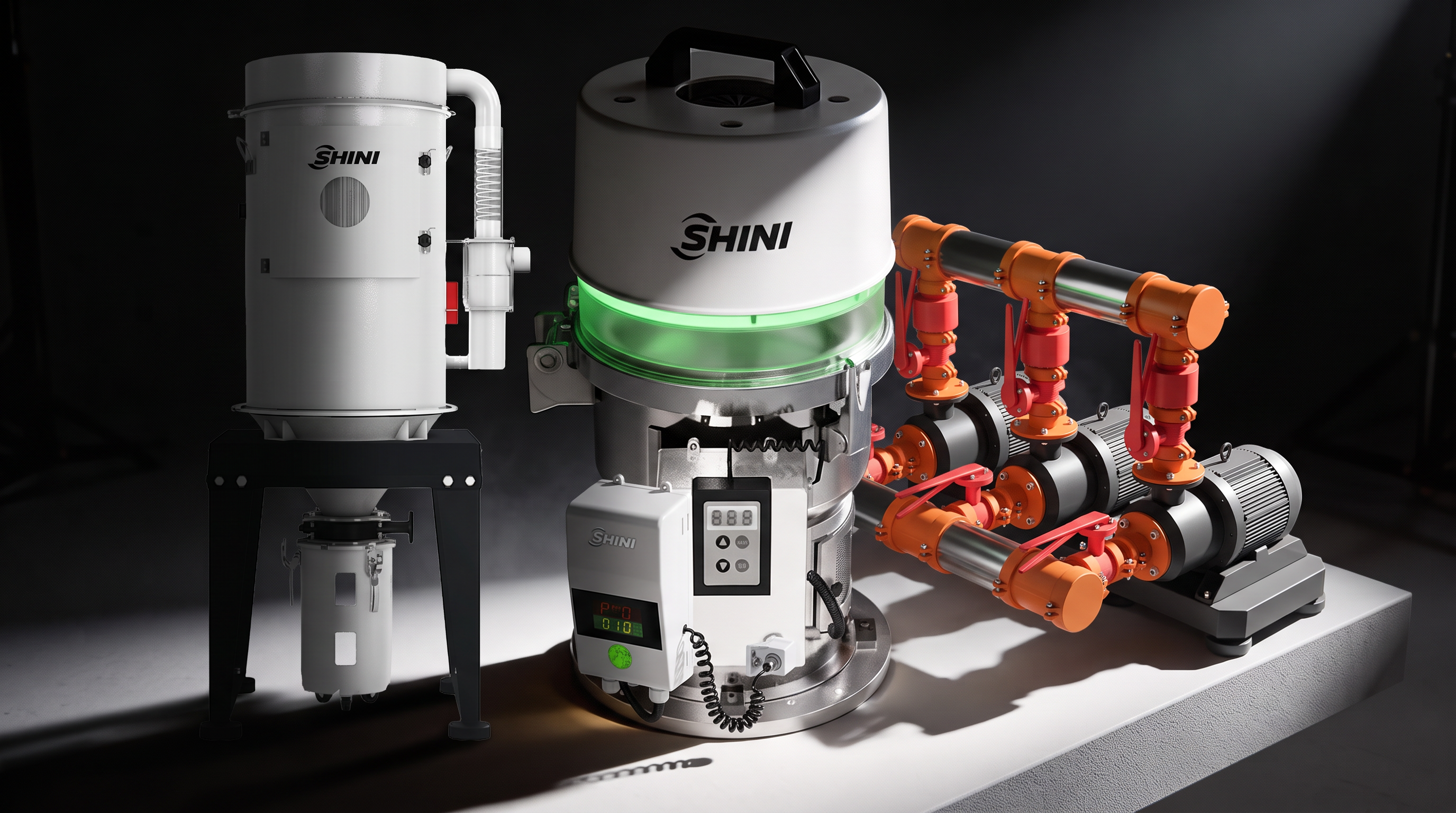
A central material feeding system stores and distributes plastic granules from one or more material sources to multiple injection moulding machines or extrusion lines. Vacuum pumps, material receivers, pipework, filters, valves and controls work together to deliver the requested material to each destination.
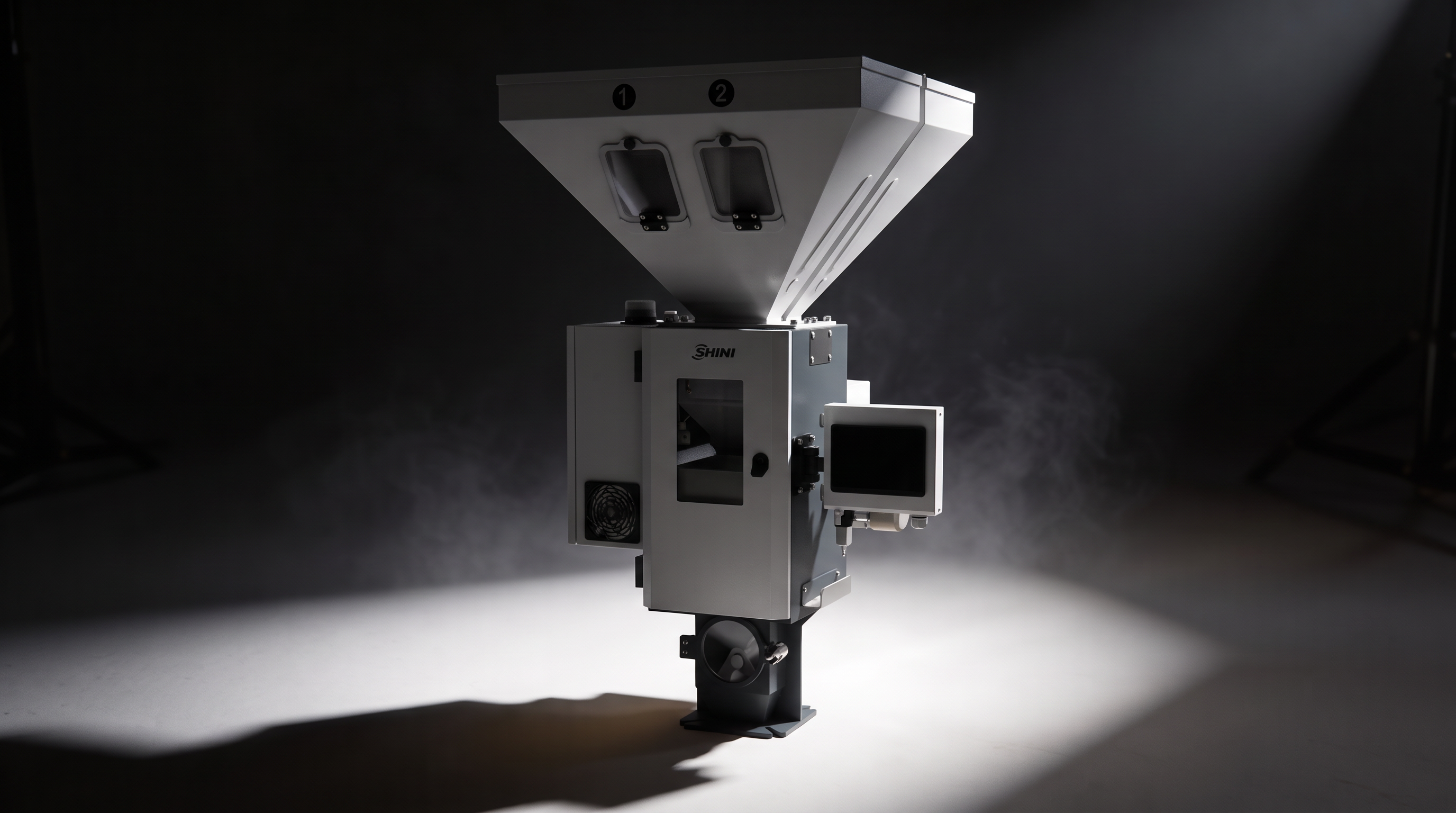
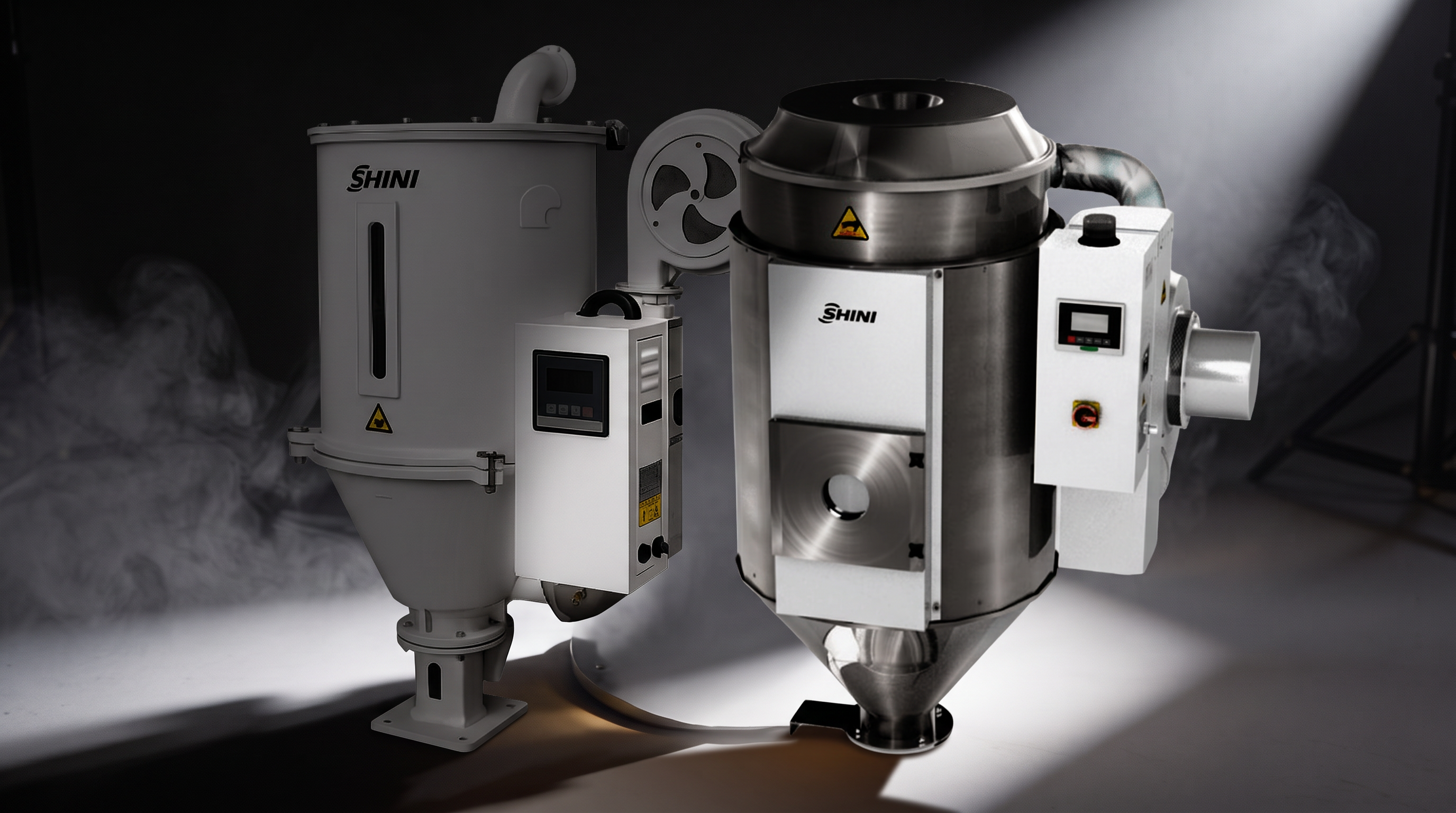
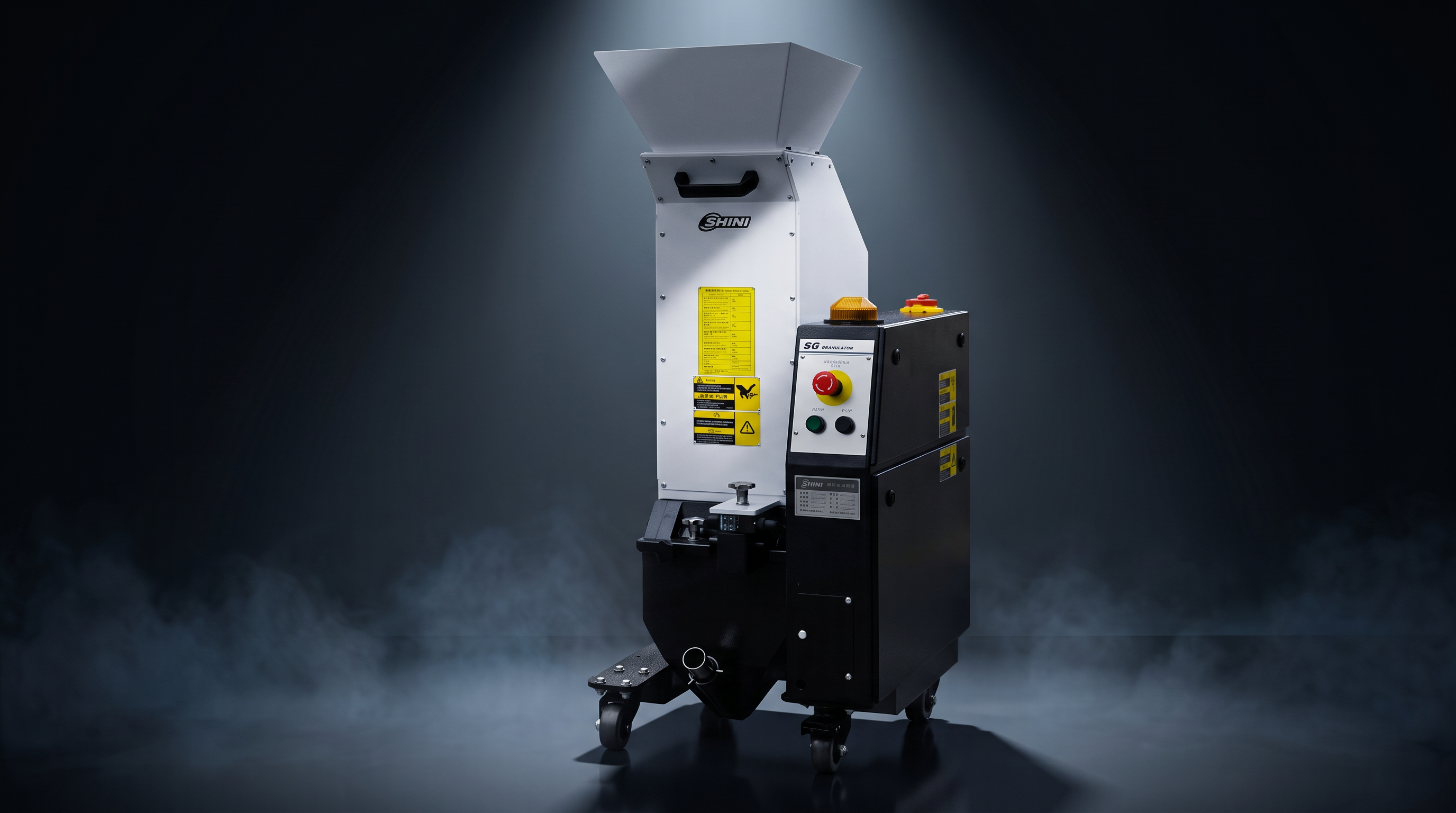
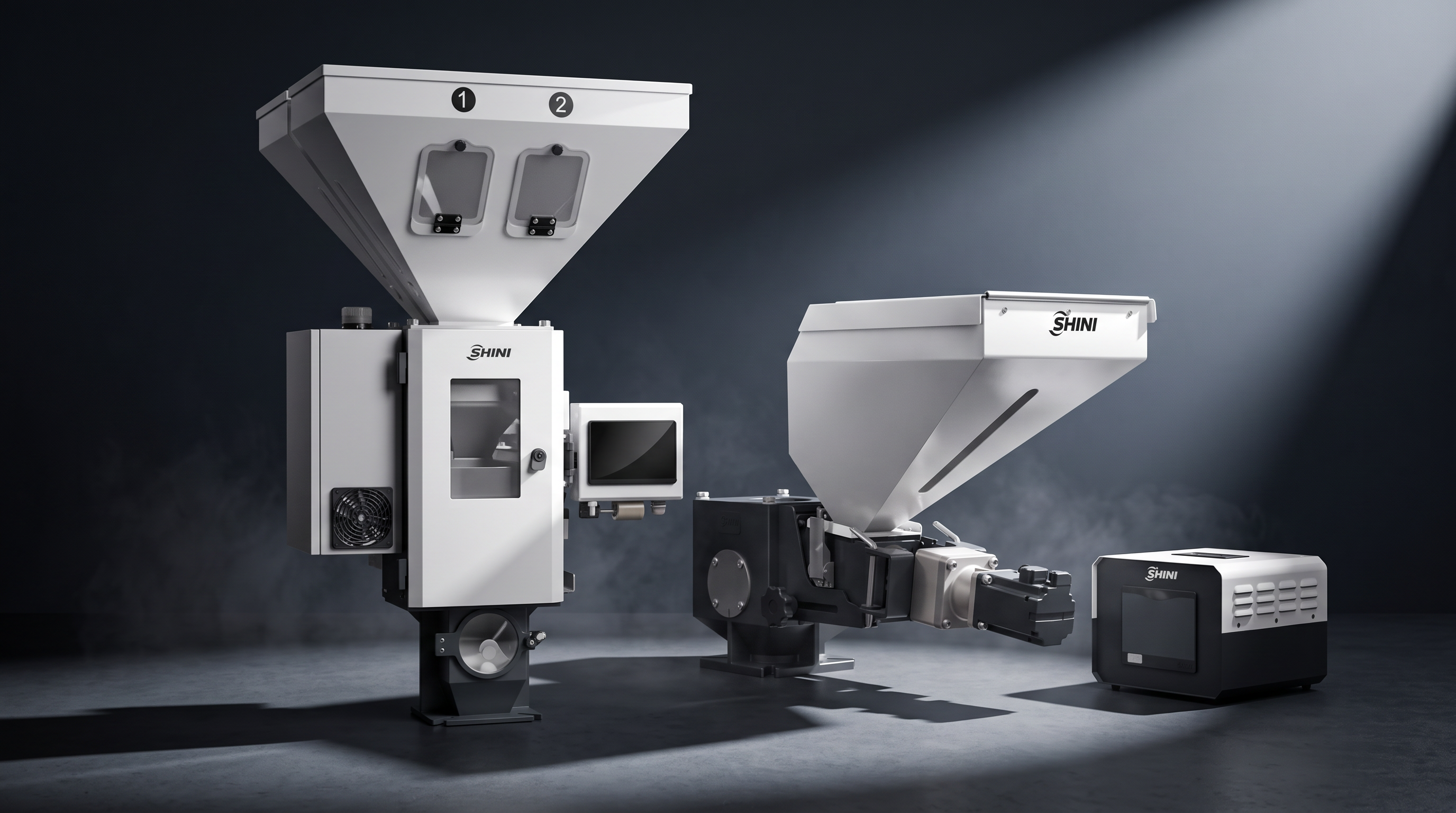
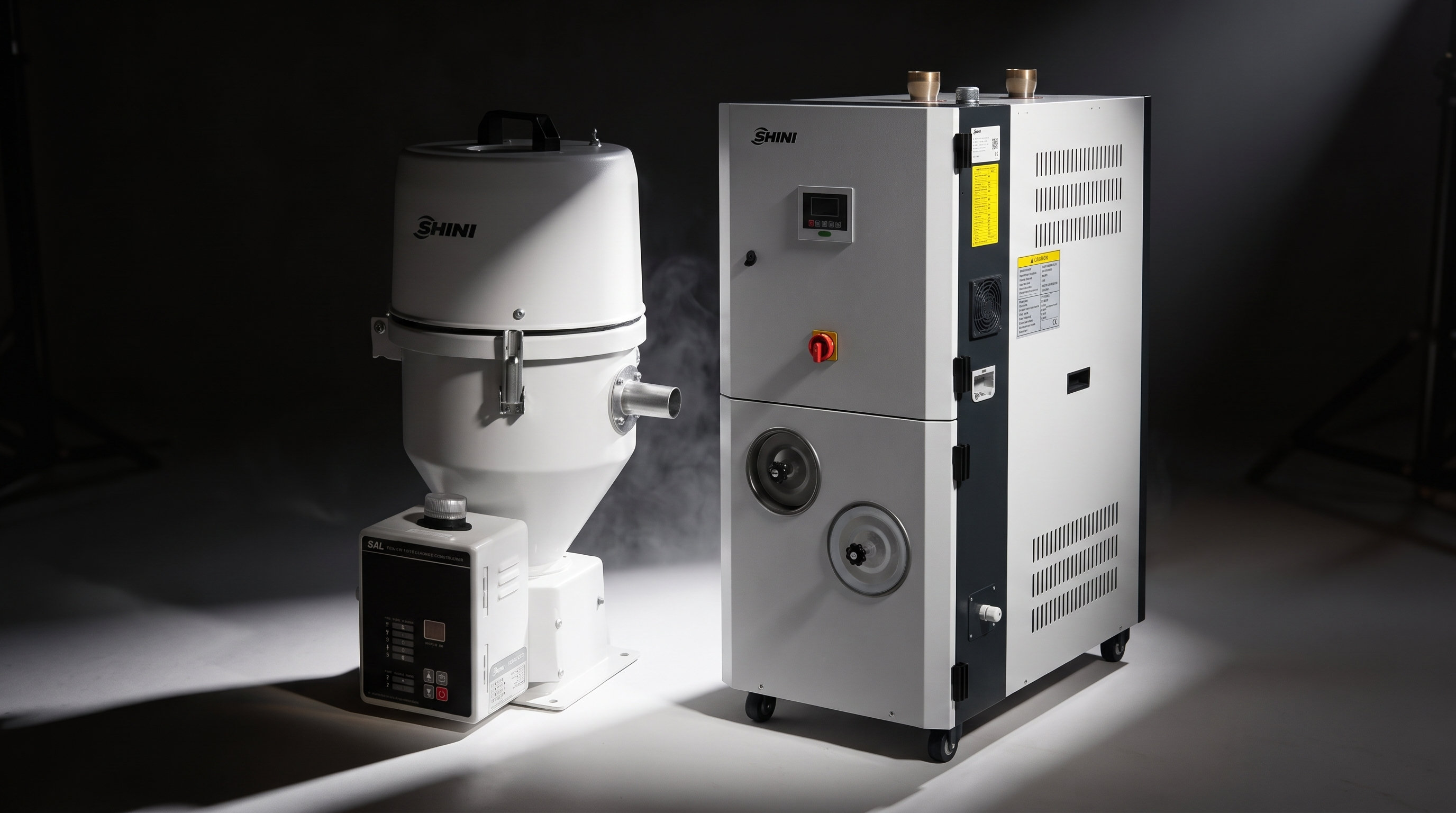
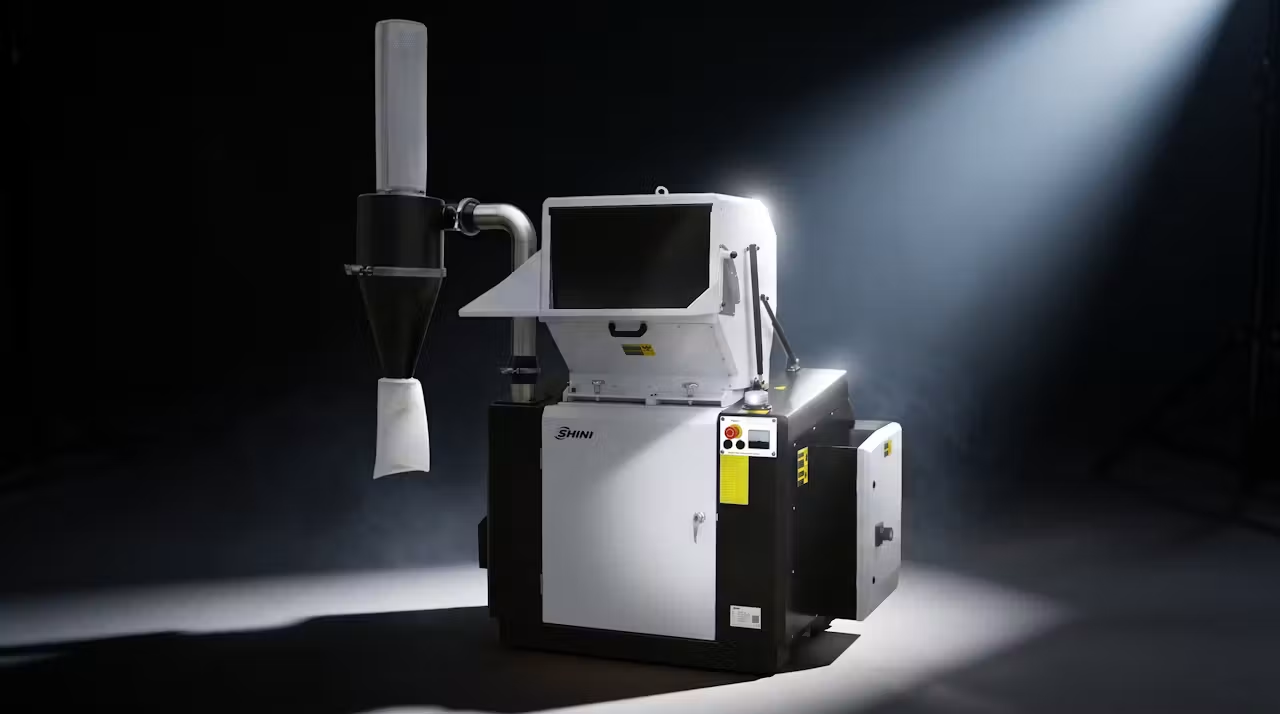
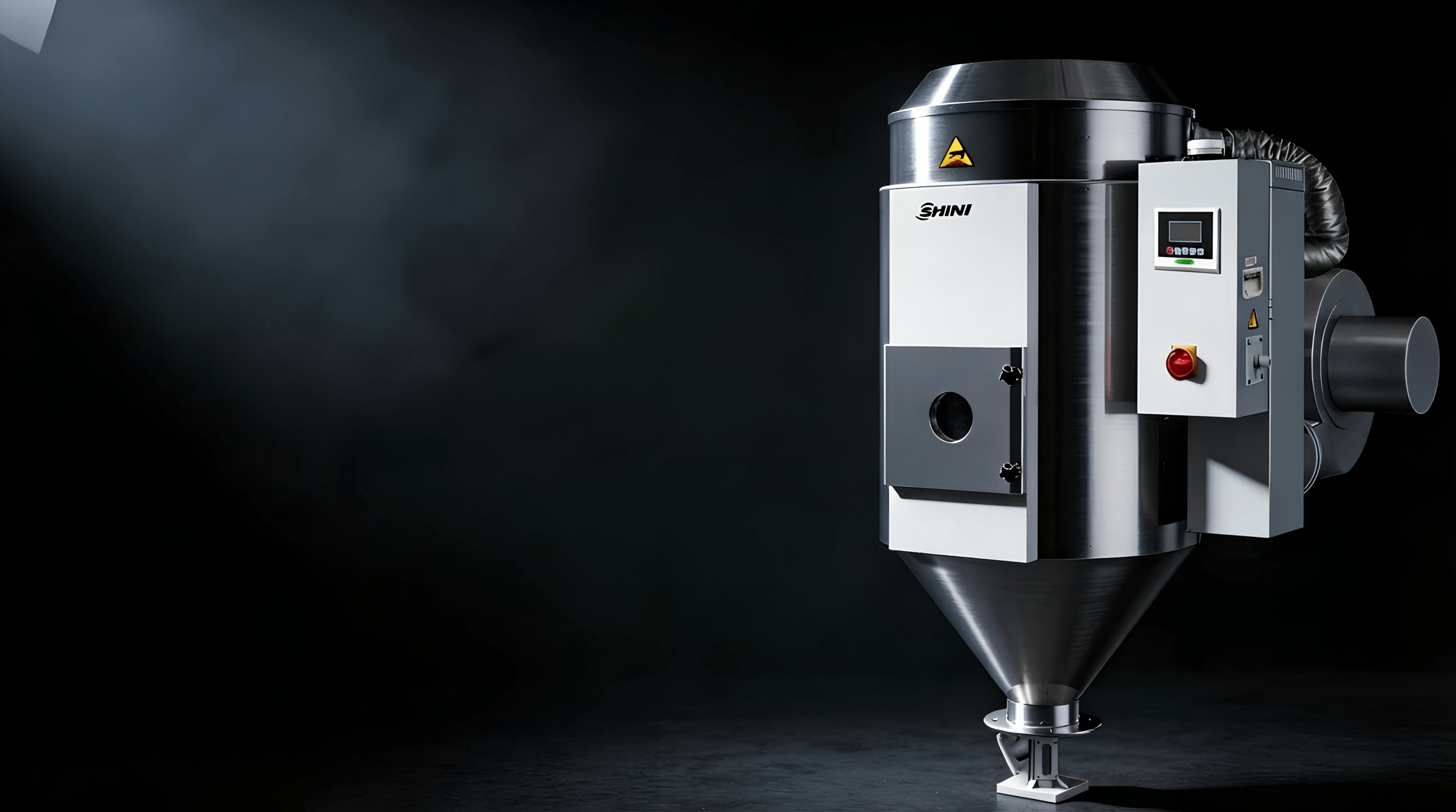
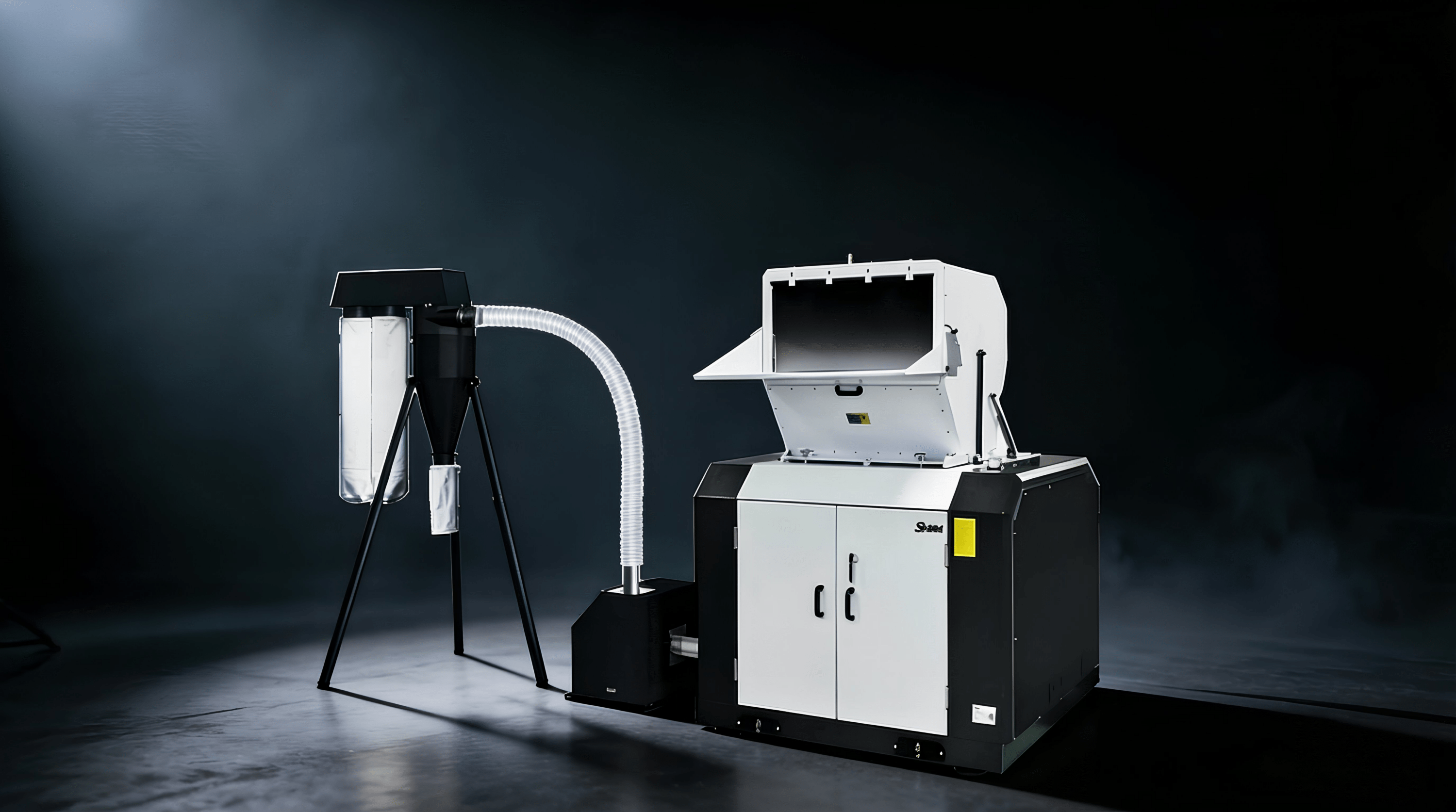
The system may also connect dryers, blenders, granulators and dust separators. It can therefore manage more than conveying; it can become the backbone of material preparation and distribution across the factory.
How Does a Central System Work?
- Virgin material or regrind is held in bags, bins, day hoppers, big bags or silos.
- A machine receiver calls for material when its level falls.
- The controller selects the correct source and opens the required valves.
- A central vacuum source pulls material through dedicated or shared pipework.
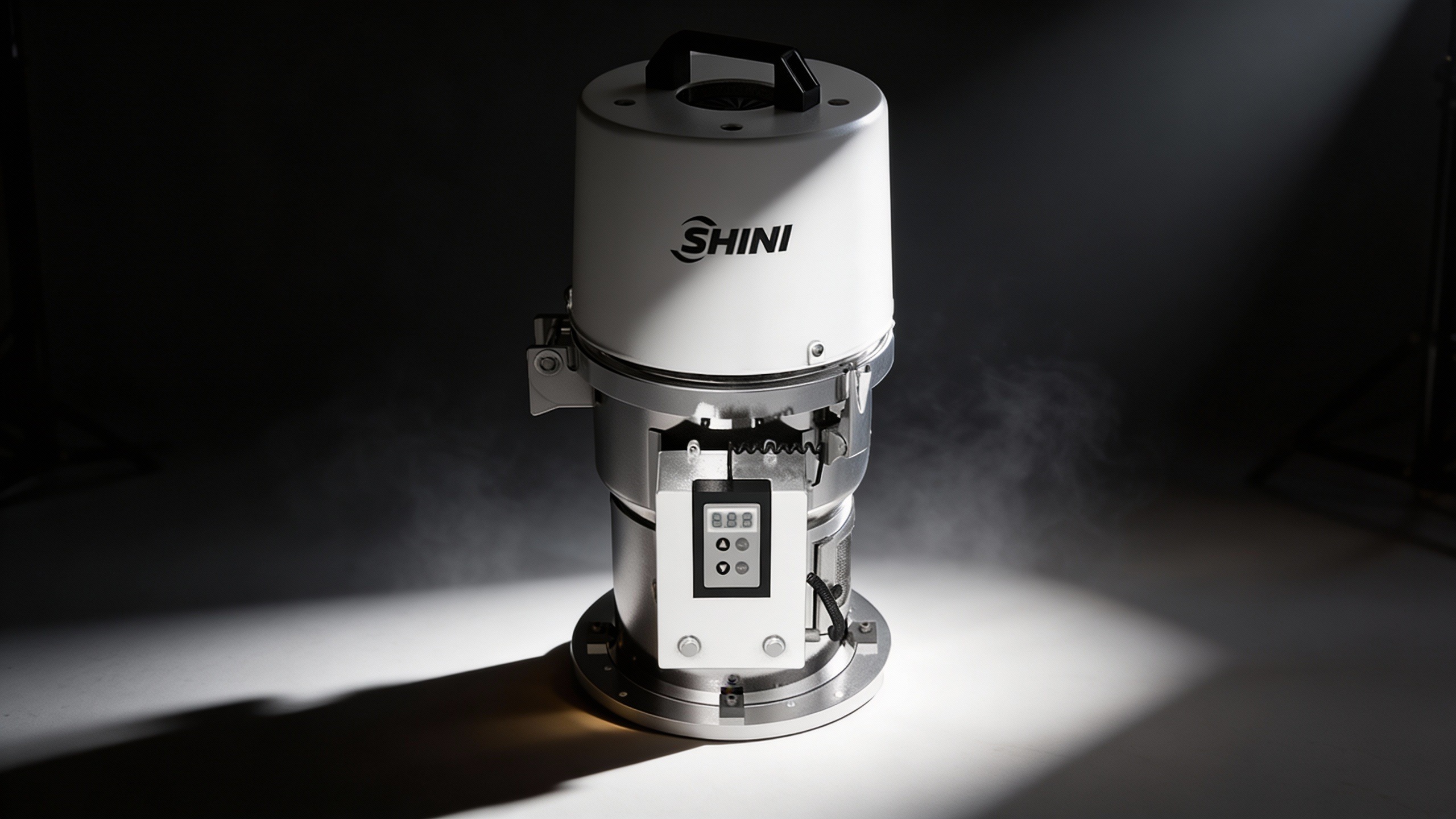
- The receiver separates conveying air from the material and releases granules into the machine hopper.
- Filters protect the vacuum system before the cycle repeats for another destination.
What Are the Main Benefits?
- Less manual lifting, carrying and opening of material bags at machines.
- Reduced spillage and a cleaner production environment.
- Better control of material identity and reduced contamination risk.
- Centralised drying and blending where appropriate.
- More floor space around processing machines.
- A scalable route to further automation and material-use monitoring.
When Does a Central System Make Sense?
There is no single machine-count threshold. The business case depends on material consumption, change frequency, walking and handling time, contamination risk and future growth. A smaller factory using high volumes of one polymer may benefit sooner than a larger factory with frequent low-volume changes.
Warning signs include operators spending significant time filling hoppers, repeated material spillages, dryers scattered around the shop floor, inconsistent material identification and planned additions of more processing machines.
What Must Be Considered During Design?
- Current and future material throughput at every machine.
- Conveying distance, vertical lift and number of bends.
- Material properties, including dust, abrasiveness and hygroscopic behaviour.
- Dedicated lines versus shared lines and the cleaning method between materials.
- Location of silos, big bags, dryers, pumps and filters.
- Controls, alarms, access for maintenance and resilience if a pump stops.
Why Plant Design Matters
A central system is not simply a collection of loaders. Pipe diameter, air speed, pickup design, filter capacity and control logic must work as one system. Poorly planned routing can damage material, reduce throughput or create difficult cleaning points. A site survey and accurate consumption data are important early steps.
Planning a System Around Your Factory
Shini UK provides central material feeding solutions with plant design for injection moulding and extrusion facilities. A practical proposal should cover storage, conveying, drying, dosing, controls, installation and future expansion. Speak to the Shini UK team to review the existing layout and identify where centralisation would deliver the strongest return.