

Why Do Plastic Granules Need Drying Before Injection Moulding?
How moisture enters plastic material and what it can do to the moulding process and finished part.
A bag of plastic granules may look perfectly dry while still containing enough moisture to affect processing. For many polymers, correct drying is not an optional housekeeping step; it is part of the material specification.
How Does Moisture Get into Plastic Granules?
Moisture can sit on the surface of granules after storage in a cold or humid environment. Hygroscopic polymers also absorb water vapour into the pellet itself. Open bags, unsealed containers, humid conveying air and long exposure beside the machine can all increase moisture content.
The amount is often too small to see. Problems only become visible when the material reaches processing temperature.
What Happens During Injection Moulding?
Inside the barrel, water turns to steam. This can create cosmetic defects such as silver streaks, splay, bubbles or poor surface finish. More seriously, moisture can cause hydrolytic degradation in susceptible polymers, breaking molecular chains and reducing strength.
A component can therefore appear acceptable while having lower mechanical performance than intended. Increasing barrel temperature or back pressure does not remove the underlying cause and may make degradation worse.
Which Materials Need Drying?
Drying requirements depend on the exact grade and its storage history. Many grades of nylon, PET, polycarbonate, ABS, TPU and other engineering polymers are hygroscopic. Polyolefins such as polypropylene and polyethylene do not normally absorb moisture in the same way, but surface water or contamination may still need attention.
Always use the material manufacturer’s data sheet as the starting point. It should state drying temperature, time and permitted moisture level. Recycled or regrind material may behave differently because of particle shape, storage and previous heat history.
Four Parts of an Effective Drying Process
- Temperature: the air must be hot enough to release moisture without damaging the polymer.
- Dry air: hygroscopic materials need air with a sufficiently low dew point.
- Airflow: dry air must pass evenly through the complete material bed.
- Time: the hopper must hold enough material to provide the specified residence time at the actual consumption rate.
Common Drying Problems
- An undersized hopper gives material too little residence time.
- A blocked filter reduces airflow through the material bed.
- Adding wet material continuously can upset the drying balance.
- Leaks allow humid factory air into the system.
- Dried material absorbs moisture again during open conveying or storage.
- An incorrect temperature may under-dry or damage the polymer.
How Do You Know the Material Is Dry?
Time and temperature alone do not prove final moisture content. Where quality requirements justify it, use a suitable moisture test and record dryer conditions. Monitoring dew point, return-air temperature and material throughput can reveal process changes before rejected parts appear.
Build Drying into the Material Route
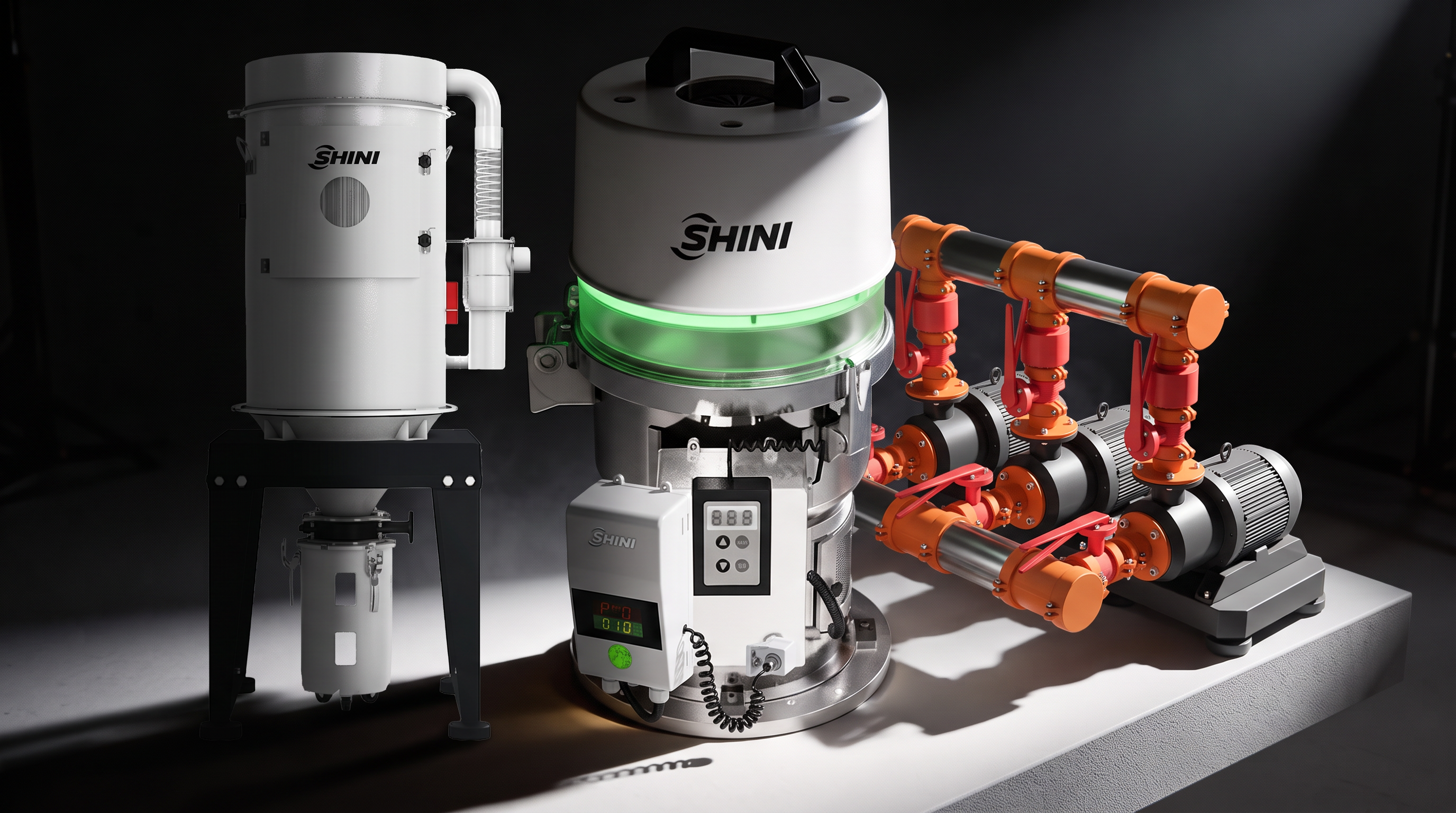
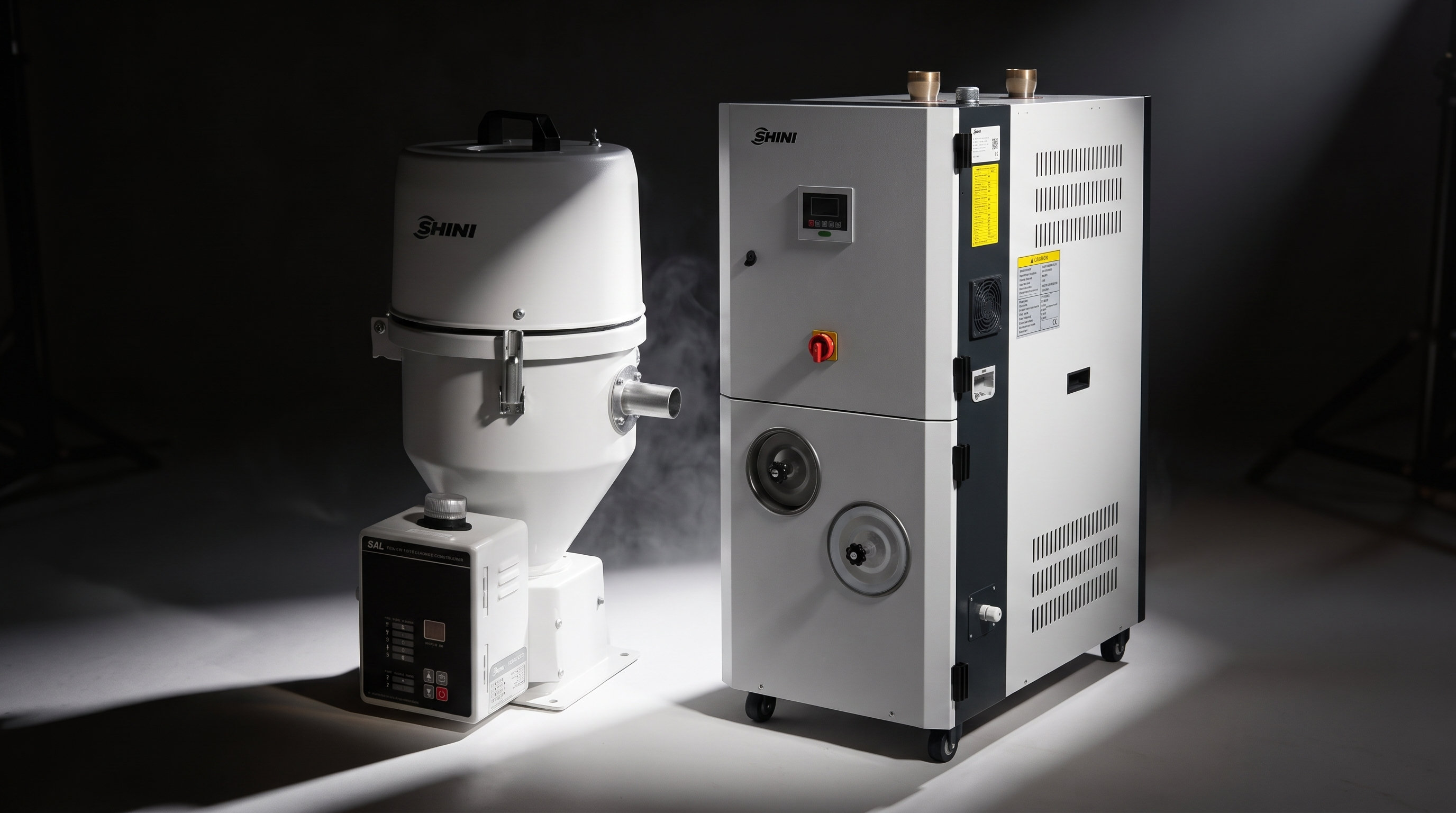
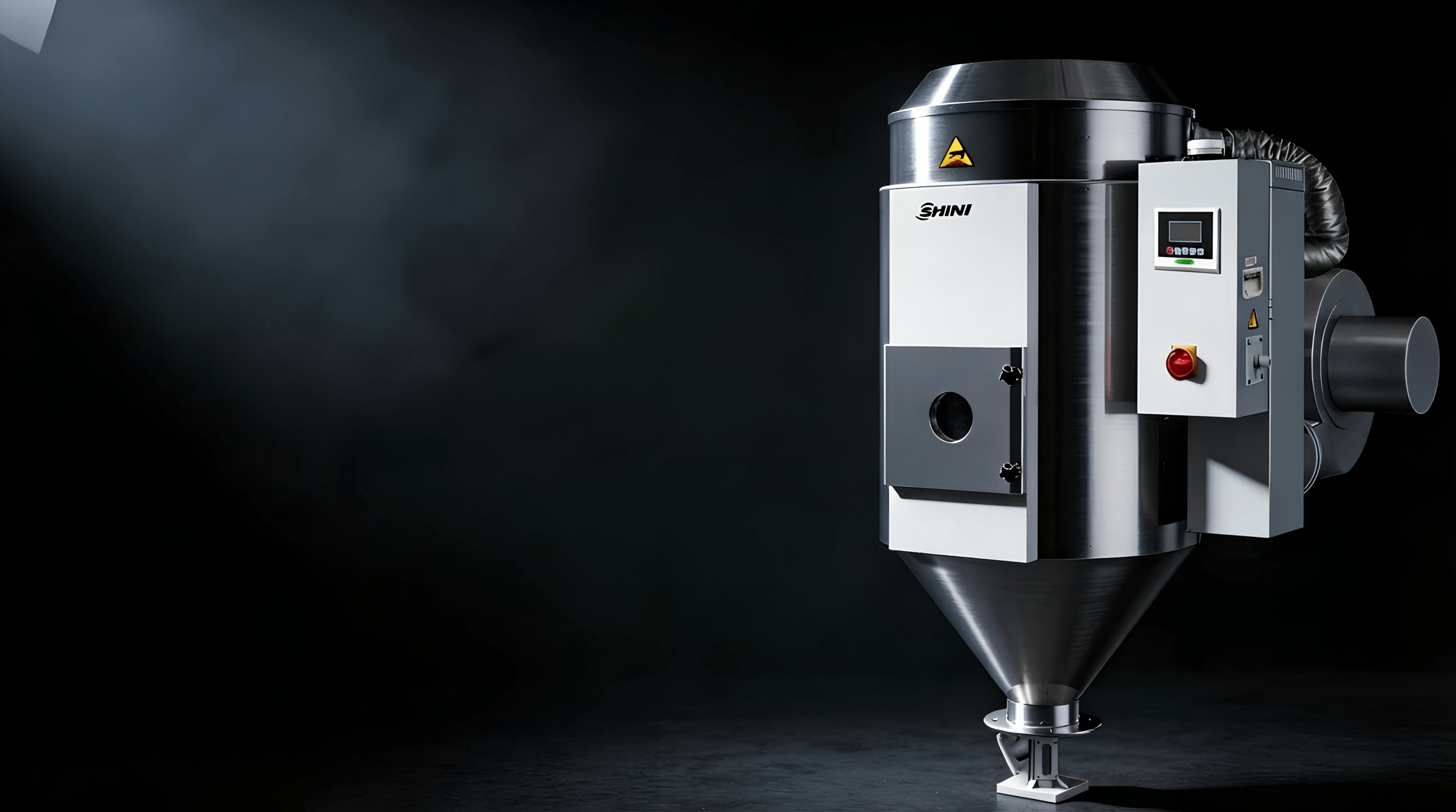
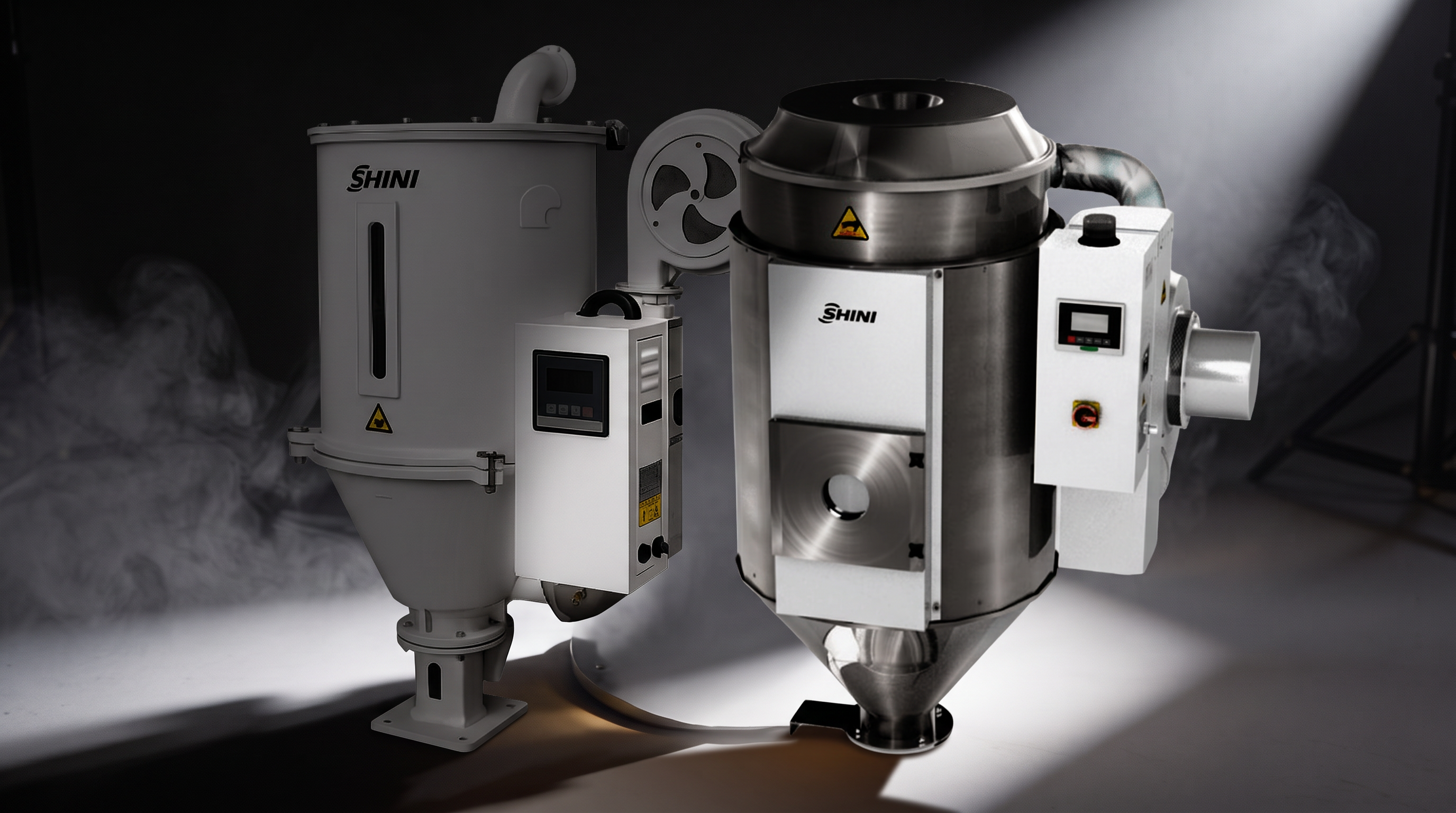
Drying should be considered from material storage through to the machine throat. Shini UK supplies hopper dryers, dehumidifying dryers, honeycomb dehumidifiers, compressed-air dryers and modular systems. The team can help match the equipment and hopper capacity to the polymer, throughput and required residence time.